
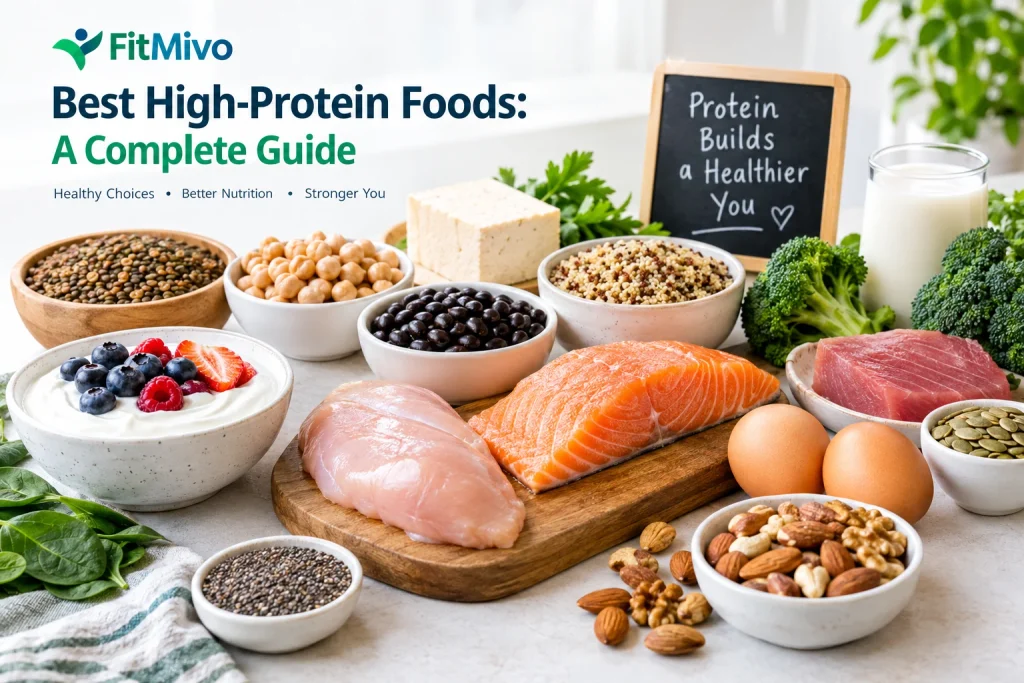
Protein is an essential nutrient that helps your body build and repair tissues, maintain muscle, and support many important biological functions. Whether you want to build muscle, stay active, or simply eat a balanced diet, choosing a variety of protein-rich foods can help you meet your nutritional needs.
The good news is that you do not need expensive supplements or protein bars to eat more protein. Everyday foods such as eggs, fish, chicken, yogurt, beans, lentils, tofu, and nuts can all contribute to your daily intake.
This guide compares common protein-rich foods, explains the difference between animal and plant protein, and offers practical ways to include them in everyday meals.
1. Why Is Protein Important?
Protein is made of amino acids, which your body uses to build and maintain muscles, skin, bones, and other tissues. Protein also helps produce enzymes and hormones and supports immune function.
Your body needs protein regularly because it continually uses amino acids to maintain and repair tissues. Getting enough protein is especially important during growth, recovery, and periods when you are trying to maintain or build muscle.
However, more protein is not automatically better. Your individual needs depend on factors such as body weight, age, activity level, health status, and fitness goals.
If you want to estimate your personal daily target, read our guide: How Much Protein Do You Need a Day?
2. Best Animal-Based Protein Foods
Animal-based foods can provide substantial amounts of protein in familiar serving sizes. Many also supply other nutrients, such as vitamin B12, iron, calcium, or omega-3 fatty acids, depending on the food.
Chicken and Turkey
Chicken breast and turkey are popular lean protein options. They can be grilled, baked, roasted, or added to salads, sandwiches, and grain bowls.
For a balanced meal, combine poultry with vegetables and a source of carbohydrates such as potatoes, brown rice, or whole grains. Preparation matters: deep-frying or adding large amounts of creamy sauces can substantially change the meal's nutritional profile.
Fish and Seafood
Fish such as salmon, tuna, cod, and trout provides protein. Oily fish such as salmon also supplies omega-3 fats. Canned fish can be a convenient and budget-friendly choice; compare sodium levels when selecting packaged products.
Choose a variety of seafood and prepare it in ways that suit your overall diet, such as baking, grilling, or steaming.
Eggs
Eggs provide complete protein, meaning they contain all nine essential amino acids. They are versatile, relatively easy to prepare, and useful for breakfast, snacks, salads, or main meals.
Pair eggs with vegetables and whole-grain toast for a simple, balanced meal.
Greek Yogurt and Cottage Cheese
Greek yogurt and cottage cheese can provide more protein per serving than some other dairy products, although the exact amount varies by brand and product type.
Choose plain varieties when you want to limit added sugar. Add fruit, oats, or a small portion of nuts for extra flavor, fiber, and nutrients.
Milk and Other Dairy Foods
Milk supplies protein as well as calcium and other nutrients. Cheese also contains protein, but some varieties are high in sodium and saturated fat, so serving size and the overall dietary pattern matter.
3. Best Plant-Based Protein Foods
Plant-based foods can make a valuable contribution to protein intake. They also provide varying amounts of fiber, vitamins, minerals, and unsaturated fats. Eating a variety of plant protein sources helps you obtain a broad range of nutrients.
Lentils
Lentils are an affordable source of protein and fiber. They work well in soups, stews, curries, salads, and grain bowls. Because lentils are usually eaten cooked, compare their protein content with other foods using equivalent serving sizes.
Beans and Chickpeas
Black beans, kidney beans, white beans, and chickpeas provide protein and fiber. Add them to soups, salads, wraps, or rice dishes. Canned beans are convenient; draining and rinsing them can help reduce some of their sodium.
Tofu, Tempeh, and Edamame
Soy foods are useful protein sources for vegetarian and vegan diets. Tofu takes on the flavor of marinades and sauces, tempeh has a firm texture, and edamame can be served as a snack or added to salads and bowls.
Soy foods can be part of a balanced diet and provide a practical alternative to meat in many recipes.
Nuts and Seeds
Peanuts, almonds, pumpkin seeds, chia seeds, and other nuts and seeds provide some protein along with fats and other nutrients. They are easy to add to oatmeal, yogurt, salads, and snacks.
Because nuts and seeds are energy-dense, portion size may matter if you are monitoring your calorie intake. Peanut butter and other nut butters can also be useful options; check the label for added sugar and sodium.
Quinoa and Other Whole Grains
Quinoa provides protein as well as carbohydrates and minerals. Oats, whole-wheat products, and other grains also contribute protein, although their amounts vary. Combining grains with beans, lentils, nuts, seeds, or soy foods can help make plant-based meals more varied and satisfying.
4. High-Protein Foods Comparison Table
The following table gives approximate protein amounts for common foods. Values vary with brand, cooking method, water content, and serving size. Packaged foods may differ, so check nutrition labels when accuracy matters.
| Food | Typical serving | Approximate protein |
|---|---|---|
| Cooked chicken breast | 100 g | 31 g |
| Cooked salmon | 100 g | 22–25 g |
| Canned tuna, drained | 100 g | 23–26 g |
| Lean cooked beef | 100 g | 25–29 g |
| Egg | 1 large | About 6 g |
| Plain Greek yogurt | 170 g | About 15–18 g |
| Cottage cheese | 100 g | About 11–13 g |
| Milk | 240 ml | About 8 g |
| Lentils, cooked | 1 cup | About 18 g |
| Chickpeas, cooked | 1 cup | About 14–15 g |
| Black beans, cooked | 1 cup | About 15 g |
| Firm tofu | 100 g | About 10–17 g |
| Tempeh | 100 g | About 19–21 g |
| Quinoa, cooked | 1 cup | About 8 g |
| Almonds | 28 g | About 6 g |
| Pumpkin seeds | 28 g | About 8–9 g |
These figures are practical estimates rather than laboratory measurements of the specific products you buy. In particular, yogurt, tofu, canned fish, and prepared meats can vary considerably between brands.
5. How to Choose Healthy Protein Sources
The best protein choices provide protein alongside other useful nutrients while fitting your preferences and needs. Consider these practical guidelines.
Choose a Variety of Sources
Rotate between fish, poultry, eggs, dairy products, beans, lentils, nuts, seeds, and soy foods. Variety can make meals more enjoyable and help you obtain different nutrients.
Include More Plant Proteins
Beans, lentils, chickpeas, tofu, nuts, and seeds provide protein and other nutrients. Many also contain fiber, which supports digestive health. You can include plant proteins even if you also eat meat, fish, eggs, and dairy.
Limit Processed Meats
Bacon, sausages, hot dogs, and many deli meats can contain substantial amounts of sodium. Rather than relying on processed meats as everyday protein staples, consider alternatives such as beans, fish, eggs, poultry, or minimally processed soy foods.
Consider the Whole Food, Not Only the Protein Number
A food's nutritional value depends on more than its protein content. Consider fiber, sodium, saturated fat, added sugar, and the nutrients that accompany the protein.
For example, lentils provide both protein and fiber, while salmon provides protein and omega-3 fats. Nuts provide protein and unsaturated fats, but they are also calorie-dense. No single food needs to provide everything.
Choose Options That Fit Your Budget
Protein-rich eating does not have to be expensive. Eggs, dried or canned beans, lentils, canned fish, milk, plain yogurt, and tofu can be practical choices. Frozen foods may also be useful when fresh options are costly or difficult to store.
6. How to Add Protein to Your Daily Meals
You can spread protein-containing foods across your meals and snacks instead of trying to obtain most of it in one sitting. Here are examples of ways to do that.
| Meal | Example | Protein sources |
|---|---|---|
| Breakfast | Eggs with whole-grain toast and fruit | Eggs |
| Breakfast alternative | Plain Greek yogurt with oats and berries | Yogurt and oats |
| Lunch | Lentil and vegetable soup with whole-grain bread | Lentils and grains |
| Lunch alternative | Chicken and vegetable bowl with brown rice | Chicken |
| Snack | Roasted chickpeas or a portion of nuts | Chickpeas or nuts |
| Dinner | Baked fish with potatoes and vegetables | Fish |
| Vegetarian dinner | Tofu stir-fry with vegetables and rice | Tofu |
This is an idea list, not a personalized meal plan. Portion sizes should reflect your appetite, energy needs, dietary preferences, and health circumstances.
Match Your Food Choices to Your Goals
If your goal is muscle development, combine adequate protein intake with appropriate resistance training, enough total energy, and sufficient recovery. Protein alone does not build muscle without the broader conditions needed for training adaptation.
If your goal is weight management, consider protein as one part of a balanced eating pattern rather than focusing on protein alone. Total energy intake, food quality, physical activity, and consistency also matter.
To learn more, read our related guides:
- How Much Protein Do You Need a Day?
- What Is TDEE? A Complete Guide to Total Daily Energy Expenditure
- How Many Calories Do I Need a Day?
7. Common Protein Mistakes to Avoid
- Thinking more is always better: Extremely high protein intake is not necessary for everyone and may not offer additional benefits when needs are already met.
- Relying only on supplements: Protein powders can be convenient, but whole foods also provide vitamins, minerals, fiber, and other nutrients.
- Ignoring plant-based options: Beans, lentils, soy foods, nuts, and seeds can all contribute meaningfully to protein intake.
- Forgetting portion sizes: Protein values depend on the quantity eaten and whether the food is weighed raw or cooked.
- Ignoring the rest of the diet: A healthy eating pattern includes vegetables, fruit, whole grains, appropriate fats, and sufficient energy—not just protein.
- Following a high-protein diet without considering health conditions: People with kidney disease or certain medical conditions may need individualized guidance from a healthcare professional.
8. Frequently Asked Questions
1. What are the best high-protein foods?
Good choices include chicken, fish, eggs, Greek yogurt, cottage cheese, lentils, beans, tofu, tempeh, and some nuts and seeds. The best options depend on your nutritional needs, preferences, and overall diet.
2. Which food has the most protein?
Protein concentration varies by food and preparation. Some lean cooked meats and fish provide around 25–31 grams per 100 grams, while dry foods such as certain seeds contain concentrated protein but are normally eaten in smaller portions. Compare foods using equivalent serving sizes.
3. Can I get enough protein without eating meat?
Yes. Beans, lentils, chickpeas, tofu, tempeh, edamame, nuts, seeds, dairy products, and eggs can help meet protein needs, depending on whether you follow a vegetarian or vegan diet. A varied diet is important.
4. Are plant-based proteins as good as animal proteins?
Both can contribute to a healthy diet. They differ in amino acid composition and the other nutrients they provide. Eating a variety of plant protein foods can help provide essential amino acids and additional fiber.
5. Do I need protein powder to build muscle?
No. Many people can meet their protein needs through regular foods. Protein powder is a convenient option for some people, but it is not essential for building muscle.
6. Are eggs a good source of protein?
Yes. Eggs provide complete protein and can be included in many balanced meals. Their overall place in your diet depends on your individual needs and the rest of your eating pattern.
7. Are beans and lentils high in protein?
Yes. Cooked beans and lentils provide meaningful amounts of protein as well as fiber and other nutrients. They are versatile options for soups, salads, stews, and main dishes.
8. Is eating a lot of protein safe for everyone?
Not necessarily. Protein needs differ between individuals, and some medical conditions require specific dietary guidance. If you have kidney disease or another condition that affects nutrition, ask your healthcare professional about an appropriate intake.
Key Takeaways
- High-protein foods include meat, fish, eggs, dairy products, beans, lentils, soy foods, nuts, and seeds.
- Both animal and plant foods can contribute to daily protein intake.
- Protein amounts vary by serving size, preparation method, and product brand.
- Choose a variety of nutritious foods instead of focusing only on protein totals.
- Protein needs depend on body size, activity, age, health status, and personal goals.
- Supplements are optional for many people; whole foods can provide protein alongside other important nutrients.
Build a Balanced Nutrition Plan with FitMivo
Understanding protein is one part of making informed nutrition choices. Explore our guides to learn more about daily protein needs, calorie intake, and energy expenditure.
Sources and Further Reading
- Harvard Health Publishing: High-Protein Foods
- Harvard T.H. Chan School of Public Health: Protein
- Harvard Nutrition Source: Choosing Healthy Protein Foods
- MedlinePlus: Dietary Proteins
Medical disclaimer: This article is for general educational purposes only and is not a substitute for individualized medical or nutrition advice. Protein needs vary. If you have a medical condition that affects your diet, consult a qualified healthcare professional or registered dietitian.
Last reviewed: October 2026.